

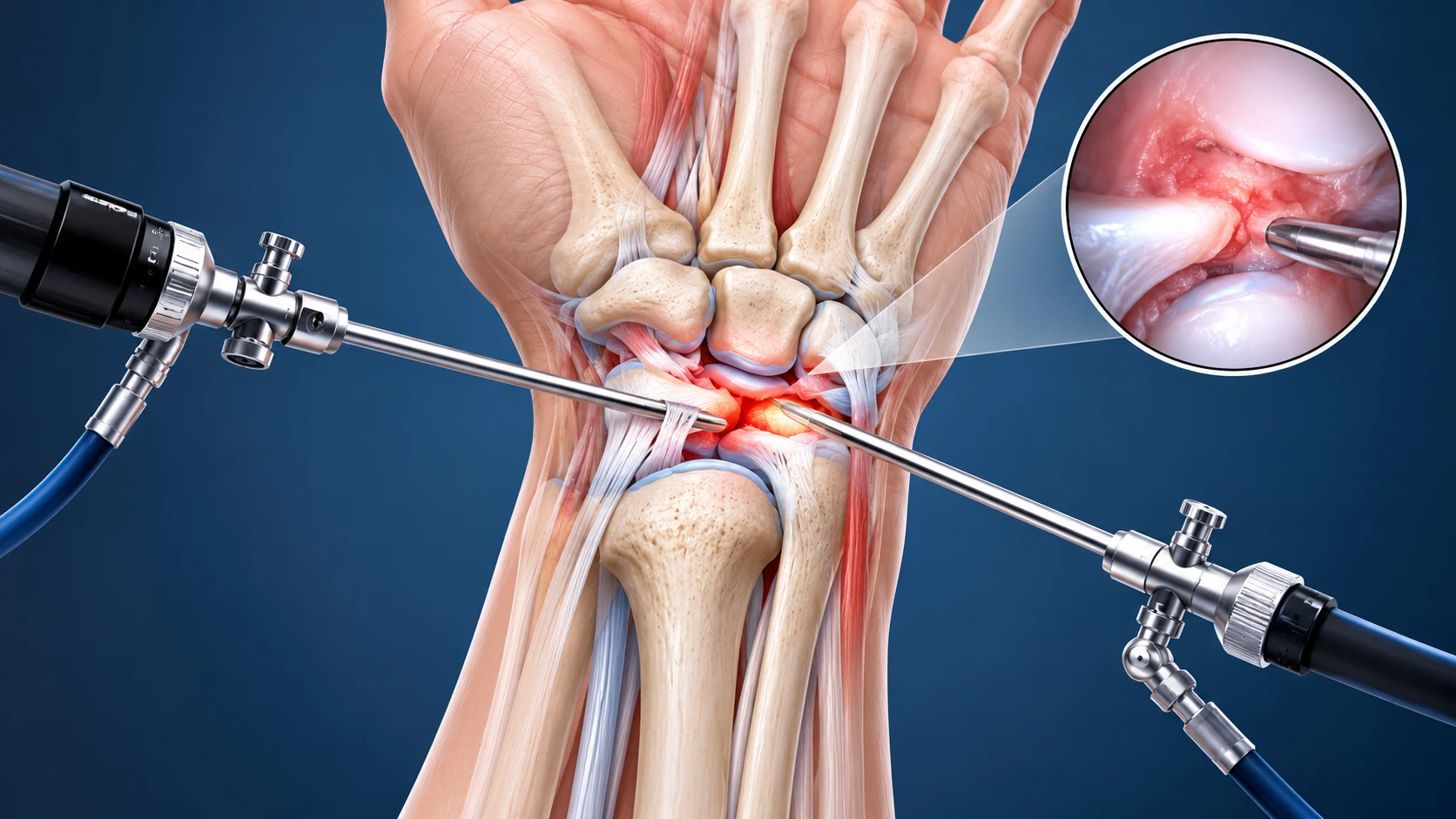
Wrist Ligament Injury Diagnosis & Treatment
Expert Wrist Ligament Care by Dr. Mohamed Abas Elbishbishi
Wrist ligament injuries can affect the stability, strength, and function of the hand and wrist. What may initially appear to be a simple wrist sprain can sometimes involve damage to important ligaments responsible for keeping the wrist stable during movement.
At the clinic of Dr. Mohamed Abas Elbishbishi, each wrist injury is carefully evaluated to identify the underlying problem and determine the most appropriate treatment. The goal is to relieve pain, restore wrist stability, preserve movement, and help patients safely return to their daily activities.
What Are Wrist Ligament Injuries?
Ligaments are strong bands of connective tissue that connect bones and help stabilize joints.
The wrist contains a complex network of ligaments that work together to maintain proper alignment and coordinated movement between the small bones of the wrist. When one or more of these ligaments are stretched, partially torn, or completely ruptured, the wrist may become painful or unstable.
Wrist ligament injuries can range from mild sprains that improve with conservative treatment to more significant tears that may require surgical repair or reconstruction.
Signs & Symptoms
Symptoms vary depending on the location and severity of the ligament injury.
Common symptoms include:
- Wrist pain, particularly during movement
- Swelling around the wrist
- Tenderness following an injury
- Reduced grip strength
- Clicking or unusual sensations within the wrist
- A feeling of wrist instability
- Difficulty lifting or carrying objects
- Limited range of motion
- Persistent discomfort following a fall or wrist injury
Some ligament injuries may initially cause relatively mild symptoms. Persistent pain or instability following trauma should therefore be evaluated by a specialist.
Common Causes & Risk Factors
Wrist ligament injuries can occur following different types of trauma, including:
- Falls onto an outstretched hand
- Sports-related injuries
- Twisting injuries
- Workplace accidents
- Road traffic accidents
- Direct impact to the wrist
- Repetitive stress or overuse
People involved in contact sports, physically demanding activities, or occupations requiring repetitive wrist movements may have an increased risk of certain wrist injuries.
How Are Wrist Ligament Injuries Diagnosed?
An accurate diagnosis is important because different wrist injuries can produce similar symptoms.
During your consultation, Dr. Mohamed Abas Elbishbishi may evaluate:
- Location and nature of the pain
- Swelling and tenderness
- Wrist stability
- Range of motion
- Grip strength
- Joint alignment
- Nerve and blood vessel function
- Associated injuries
X-rays may be used to identify fractures or changes in bone alignment. When a ligament injury is suspected, additional imaging such as MRI or other specialized investigations may be recommended depending on the clinical findings.
A thorough assessment helps determine the severity of the injury and whether conservative or surgical treatment is appropriate.
Non-Surgical Treatment
Many mild and moderate wrist ligament injuries can be managed successfully without surgery.
Treatment may include:
- Wrist immobilization
- Protective splinting
- Activity modification
- Pain management
- Swelling control
- Guided range-of-motion exercises
- Hand and wrist therapy
- Regular follow-up examinations
The treatment plan is individualized according to the type of ligament injury, its severity, wrist stability, and the patient’s functional requirements.
Surgical Treatment
Surgery may be considered when a ligament injury causes significant or persistent instability or when conservative treatment does not provide adequate improvement.
Surgical treatment may be considered when:
- There is a significant or complete ligament tear
- Wrist instability persists
- Symptoms continue despite appropriate conservative treatment
- Associated fractures or other injuries require surgical treatment
- Normal wrist alignment is significantly affected
Depending on the specific ligament and nature of the injury, treatment may involve ligament repair or reconstruction using appropriate surgical techniques.
The primary goals are to restore wrist stability, preserve movement, improve function, and reduce the risk of long-term problems.
Recovery & Rehabilitation
Recovery depends on the severity and location of the ligament injury and the treatment provided.
A rehabilitation program may include:
- Temporary immobilization
- Gradual range-of-motion exercises
- Hand and wrist therapy
- Progressive strengthening
- Grip-strength exercises
- Functional rehabilitation
- Regular follow-up appointments
Rehabilitation is gradually progressed according to healing and clinical recovery. Following the recommended treatment plan can help restore strength and movement while reducing the risk of recurrent instability.
When Should You See a Wrist Specialist?
You should seek specialist evaluation if you experience:
- Persistent wrist pain after a fall or injury
- Swelling that does not improve
- Difficulty gripping objects
- Clicking or shifting sensations
- A feeling of wrist instability
- Pain during wrist movement
- Weakness affecting daily activities
- Symptoms that continue despite rest and activity modification
Early assessment can help identify significant ligament damage and guide appropriate treatment before persistent instability or functional limitations develop.
Frequently Asked Questions
Can a wrist ligament injury heal without surgery?
Yes. Many mild and moderate ligament injuries can improve with immobilization, activity modification, and rehabilitation. More significant injuries may require surgical treatment depending on the degree of instability and associated damage.
How can I tell if I have a ligament tear or a simple sprain?
Symptoms alone may not be enough to determine the severity of a ligament injury. A clinical examination, combined with appropriate imaging when necessary, can help identify the extent of the damage.
Is surgery always necessary for a wrist ligament injury?
No. Surgery is generally considered when there is significant instability, a severe ligament tear, associated injuries, or persistent symptoms despite appropriate non-surgical treatment.
How long does recovery take?
Recovery varies depending on the ligament involved, severity of the injury, treatment method, and rehabilitation progress. Some injuries recover within weeks, while more significant injuries may require a longer period of rehabilitation.
Can I return to sports after a wrist ligament injury?
Many patients are able to return to sports and normal activities after appropriate treatment and rehabilitation. The timing of return depends on healing, wrist stability, strength, and functional recovery.


No comment