
Distal Radioulnar Joint (DRUJ) Injuries & Instability
Specialized DRUJ Injury Care by Dr. Mohamed Abas Elbishbishi
The Distal Radioulnar Joint (DRUJ) plays an important role in the smooth rotation of the forearm and the coordinated movement of the wrist and hand. When this joint is injured or becomes unstable, everyday activities such as turning a key, opening a door, or lifting objects can become painful and difficult.
At the clinic of Dr. Mohamed Abas Elbishbishi, patients receive a comprehensive evaluation and an individualized treatment plan focused on restoring stability, relieving pain, improving function, and supporting a safe return to daily activities.
What Are Distal Radioulnar Joint (DRUJ) Injuries?
The Distal Radioulnar Joint is located near the wrist, where the radius and ulna meet. Together with the surrounding ligaments and soft tissues, it allows the forearm to rotate smoothly while helping maintain stability in the wrist.
DRUJ injuries can occur following a fall, sports injury, twisting motion, fracture, or direct trauma. The injury may range from ligament damage to significant joint instability or dislocation.
DRUJ problems can also occur alongside wrist and forearm fractures, particularly distal radius fractures. For this reason, a careful clinical examination is important to identify associated injuries and determine the most appropriate treatment.
Signs & Symptoms
The symptoms of a DRUJ injury can vary depending on the severity of the damage. Common symptoms include:
- Pain on the little-finger side of the wrist
- Pain during forearm rotation
- Difficulty turning a key or doorknob
- Weak grip strength
- A feeling of wrist instability
- Clicking, shifting, or popping sensations
- Swelling around the wrist
- Reduced wrist or forearm movement
- Difficulty lifting or carrying objects
- Pain that persists after a wrist fracture
Persistent symptoms following a wrist injury should be evaluated by a hand and upper-limb specialist.
Causes & Risk Factors
DRUJ injuries may develop as a result of:
- Falls onto an outstretched hand
- Distal radius fractures
- Sports-related injuries
- Twisting injuries
- Direct impact to the wrist
- High-energy trauma
- Road traffic accidents
- Workplace injuries
In some cases, the DRUJ injury occurs together with fractures or ligament injuries around the wrist and forearm. Identifying all associated injuries is important when planning treatment.
How Are DRUJ Injuries Diagnosed?
Accurate diagnosis begins with a detailed medical history and a careful physical examination.
During the examination, Dr. Mohamed Abas Elbishbishi may assess:
- Wrist stability
- Forearm rotation
- Grip strength
- Location and severity of pain
- Joint tenderness
- Associated fractures
- Ligament stability
- Nerve and blood vessel function
Imaging studies may also be recommended depending on the suspected injury. These may include:
- X-rays
- CT scans
- MRI scans when soft-tissue or ligament injuries are suspected
- Other specialized imaging when necessary
A precise diagnosis helps determine whether the injury can be treated conservatively or requires surgical stabilization.
Non-Surgical Treatment
Not every DRUJ injury requires surgery. When the joint remains sufficiently stable, conservative treatment may be appropriate.
Treatment may include:
- Wrist immobilization
- Splinting
- Activity modification
- Pain management
- Follow-up examinations
- Guided rehabilitation
- Gradual restoration of wrist and forearm movement
The treatment approach is individualized according to the severity of the injury, joint stability, associated damage, and the patient’s functional needs.
Surgical Treatment
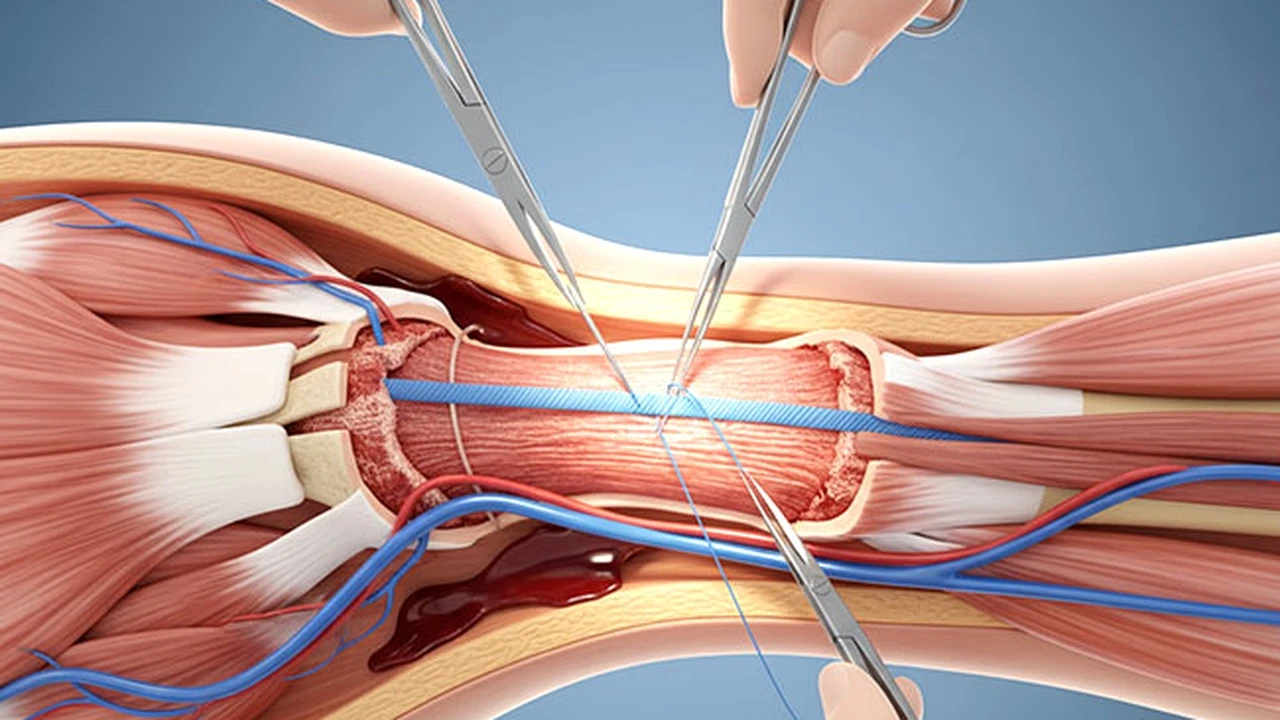
Surgery may be considered when there is significant instability, persistent symptoms, associated fractures, or ligament damage that cannot be adequately treated with conservative measures.
Depending on the specific injury, surgical treatment may involve:
- Stabilization of the distal radioulnar joint
- Repair of damaged ligaments
- Treatment and fixation of associated fractures
- Ligament reconstruction when necessary
- Specialized fixation techniques for complex injuries
The main goals of surgery are to restore joint stability, improve wrist and forearm function, relieve symptoms, and reduce the risk of long-term complications.
Recovery & Rehabilitation
Recovery after a DRUJ injury depends on the severity of the injury, associated damage, treatment method, and individual healing response.
A personalized rehabilitation program may include:
- Protective immobilization during the early healing period
- Gradual range-of-motion exercises
- Forearm rotation exercises
- Hand therapy
- Progressive strengthening
- Functional rehabilitation
- Regular follow-up appointments
Following the recommended rehabilitation program is important for restoring movement, strength, stability, and confidence in using the affected hand.
When Should You See a Hand Specialist?
You should consider specialist evaluation if you experience:
- Persistent wrist pain after an injury
- Pain when rotating the forearm
- Clicking or shifting in the wrist
- A feeling of instability
- Weak grip strength
- Difficulty using the affected hand
- Persistent swelling
- Ongoing symptoms following a wrist fracture
Early assessment can help identify joint instability or associated injuries and allow appropriate treatment to begin before symptoms become chronic.
Frequently Asked Questions
What is the DRUJ?
The Distal Radioulnar Joint (DRUJ) is the joint between the radius and ulna near the wrist. It plays an important role in allowing the forearm to rotate and contributes to wrist and forearm stability.
Can a DRUJ injury heal without surgery?
Yes. Some DRUJ injuries can be treated successfully with immobilization, activity modification, and rehabilitation. More severe injuries involving significant instability or associated damage may require surgical treatment.
Why does my wrist click after an injury?
Clicking, shifting, or popping sensations after a wrist injury may be associated with ligament damage or joint instability. A specialist evaluation can help determine the underlying cause.
How is a DRUJ injury diagnosed?
Diagnosis usually involves a physical examination combined with appropriate imaging. Depending on the suspected injury, X-rays, CT scans, or MRI may be recommended.
How long does recovery take?
Recovery varies from patient to patient. It depends on the type and severity of the injury, whether surgery is required, associated injuries, and the patient’s progress during rehabilitation.
Book Your Consultation with Dr. Mohamed Abas Elbishbishi
If you are experiencing wrist pain, instability, clicking, or difficulty rotating your forearm following an injury, an early specialist evaluation can help identify the cause and determine the appropriate treatment.
Dr. Mohamed Abas Elbishbishi provides comprehensive assessment and individualized treatment plans for wrist and upper-limb conditions, with a focus on restoring stability, improving function, and helping patients return safely to their daily activities.


No comment