

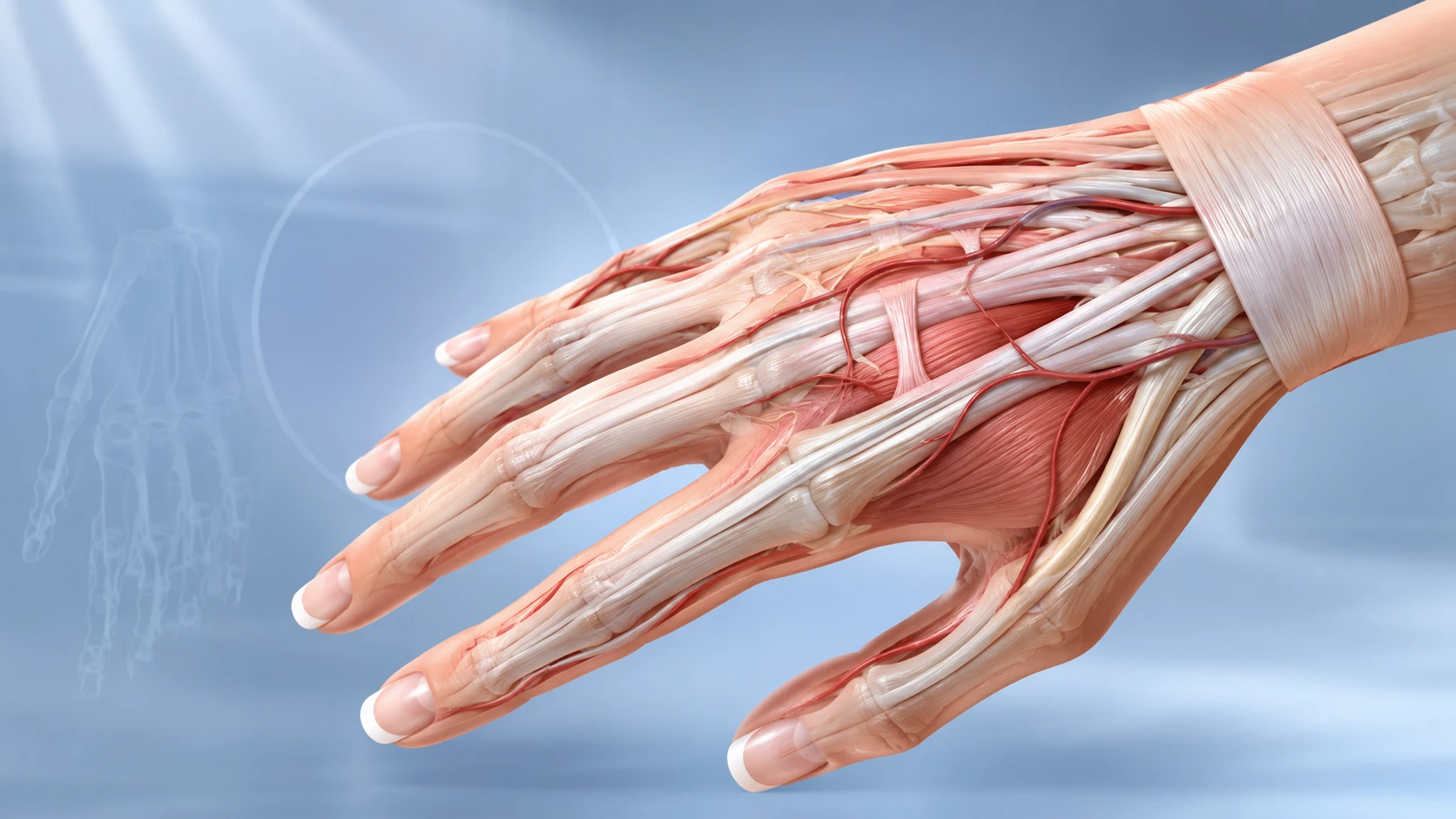
Peripheral Nerve Repair Surgery
Specialized Nerve Repair by Dr. Mohamed Abas Elbishbishi
Peripheral nerve injuries can significantly affect hand movement, sensation, strength, and everyday function. Depending on the severity of the injury, patients may experience numbness, weakness, pain, tingling, or difficulty controlling the affected fingers.
At the clinic of Dr. Mohamed Abas Elbishbishi, each patient receives a detailed assessment and an individualized treatment plan focused on protecting nerve function, supporting recovery, and maximizing long-term hand function.
What Are Peripheral Nerve Injuries?
Peripheral nerves act as communication pathways between the brain, spinal cord, muscles, and skin. In the upper limb, they play an essential role in movement, sensation, grip strength, and fine hand function.
A nerve can become injured when it is stretched, compressed, bruised, partially damaged, or completely divided. The resulting symptoms depend on the location and severity of the injury.
While some nerve injuries can recover naturally with appropriate observation and rehabilitation, more severe injuries may require specialized surgical treatment.
Signs & Symptoms
Symptoms of a peripheral nerve injury may vary depending on the affected nerve and the extent of the damage.
Common symptoms include:
- Numbness in the hand or fingers
- Tingling or burning sensations
- Reduced sensation following an injury
- Weakness when gripping or lifting
- Difficulty moving specific fingers
- Loss of fine motor control
- Persistent or abnormal pain
- Muscle weakness
- Muscle wasting over time
Any sudden loss of sensation or movement following an injury should be assessed promptly by a specialist.
Common Causes & Risk Factors
Peripheral nerve injuries can occur as a result of:
- Deep cuts or lacerations
- Glass or sharp-object injuries
- Workplace accidents
- Sports-related trauma
- Road traffic accidents
- Crush injuries
- Machinery-related injuries
- Severe fractures
- Significant soft-tissue injuries
- Nerve damage following previous surgery
The nature and severity of the original injury can have an important impact on treatment options and recovery.
How Are Peripheral Nerve Injuries Diagnosed?
An accurate diagnosis begins with a detailed medical history and comprehensive clinical examination.
During your consultation, Dr. Mohamed Abas Elbishbishi may assess:
- Sensation in the affected area
- Muscle strength
- Finger and hand movement
- Grip and functional ability
- Location and extent of the injury
- Blood circulation
- Associated tendon injuries
- Associated bone or joint injuries
Depending on the suspected injury, additional investigations may be recommended, including imaging studies or nerve function tests.
A precise assessment helps determine the extent of nerve damage and whether surgical intervention may be beneficial.
Non-Surgical Treatment
Not every peripheral nerve injury requires surgery.
Depending on the type and severity of the injury, conservative treatment may include:
- Observation and regular monitoring
- Protective splinting
- Activity modification
- Pain management
- Hand therapy
- Range-of-motion exercises
- Functional rehabilitation
- Regular follow-up examinations
The appropriate treatment approach depends on the condition of the nerve, associated injuries, symptoms, and the patient’s functional requirements.
Microsurgical Nerve Repair
When a nerve is completely divided or severely damaged and is unlikely to recover adequately on its own, microsurgical nerve repair may be considered.
Microsurgery uses specialized magnification and fine surgical techniques to carefully align and repair the damaged nerve. The goal is to create the best possible conditions for nerve regeneration while preserving surrounding structures.
Depending on the extent and pattern of the injury, additional reconstructive procedures may sometimes be required.
The choice of treatment is determined after a detailed assessment of the nerve injury and the surrounding tissues.
Recovery & Rehabilitation
Nerve recovery is usually a gradual process and may require patience and structured rehabilitation.
Depending on the injury and treatment, rehabilitation may include:
- Protective splinting
- Guided hand therapy
- Sensory re-education
- Range-of-motion exercises
- Progressive strengthening
- Functional hand rehabilitation
- Regular clinical assessments
The duration and extent of recovery vary between patients. Factors such as the severity and location of the injury, timing of treatment, associated damage, and individual healing response can all influence the final outcome.
When Should You See a Specialist?
Prompt specialist assessment is recommended if you experience:
- Sudden numbness after an injury
- Loss of finger or hand movement
- Persistent tingling or burning
- Weak grip strength
- A deep cut involving the hand, wrist, or forearm
- Loss of sensation following trauma
- Progressive weakness after an accident
- Persistent symptoms after a suspected nerve injury
Early evaluation can help determine the extent of nerve damage and identify the most appropriate treatment strategy.
Frequently Asked Questions
Can damaged nerves heal on their own?
Some nerve injuries may recover naturally, particularly when the nerve remains structurally intact. More severe injuries, including complete nerve divisions, may require surgical repair.
How long does nerve recovery take?
Nerve recovery is generally gradual and can continue for many months. The timeline depends on the location and severity of the injury, the treatment provided, and the patient’s individual healing response.
Is microsurgical nerve repair always necessary?
No. Surgery is not required for every nerve injury. The decision depends on the extent of nerve damage, clinical findings, symptoms, and the likelihood of natural recovery.
Will sensation return completely after nerve repair?
Recovery varies from patient to patient. Meaningful improvement in sensation and function may occur, but the final outcome depends on several factors related to the original injury and treatment.
Is rehabilitation important after nerve repair?
Yes. Rehabilitation is an important part of recovery. Hand therapy, sensory re-education, movement exercises, and progressive strengthening can help maximize functional recovery.


No comment