
Cut Tendon & Nerve Injuries Treatment by Dr. Mohamed Abas Elbishbishi
What Are Cut Tendon & Nerve Injuries?
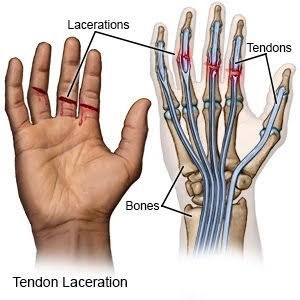
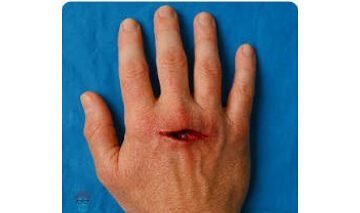
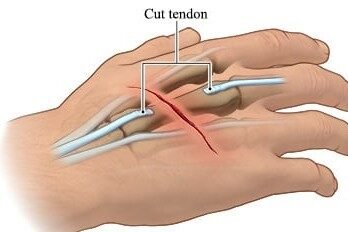
The hand is made up of a complex network of tendons and nerves that work together to create precise movement and sensation. When these structures are damaged by a sharp injury or deep laceration, normal hand function can be significantly affected.
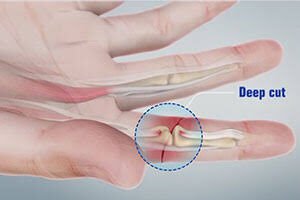
A tendon injury may limit the ability to bend or straighten the fingers, while a nerve injury can lead to numbness, weakness, or loss of feeling. In many cases, both structures may be injured at the same time, requiring specialized medical care.
Signs and Symptoms
Symptoms depend on the location and severity of the injury but commonly include:
Difficulty bending or straightening one or more fingers.
Loss of sensation or numbness in part of the hand.
Tingling or unusual sensations after an injury.
Weak grip strength.
Inability to perform normal hand movements.
Pain and swelling around the injured area.
Deep cuts associated with loss of function.
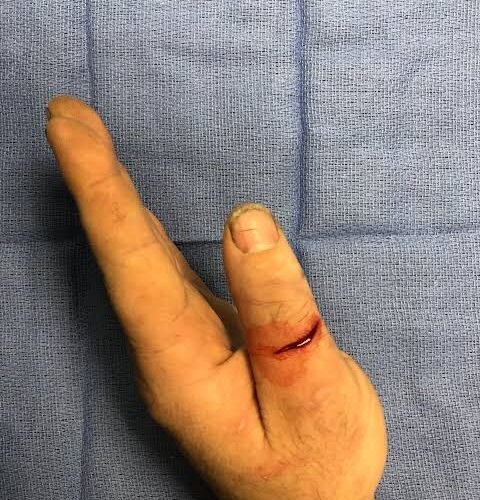
Even if the wound appears small, damage to deeper structures should never be ignored.

Even if the wound appears small, damage to deeper structures should never be ignored.
Common Causes
Cut tendon and nerve injuries can occur in many situations, including:
Glass and broken bottle injuries.
Kitchen knife accidents.
Workplace and industrial injuries.
Sports-related trauma.
Sharp tool accidents.
Machinery injuries.
Road traffic accidents.
Diagnosis
An accurate diagnosis begins with a detailed clinical examination and careful assessment of both movement and sensation. Dr. Mohamed Abas Elbishbishi evaluates:
Finger and thumb motion.
Tendon integrity.
Sensory function.
Muscle strength.
Blood circulation.
Wound characteristics.
Overall hand function.

TREATMENT OPTIONS
Treatment depends on the severity:
Non-Surgical Treatment
Not every injury requires surgery. In selected cases, conservative treatment may provide excellent results. Depending on the condition, treatment may include:
Professional wound management.
Protective splinting.
Pain control.
Infection prevention when indicated.
Regular monitoring.
Hand therapy and rehabilitation exercises.
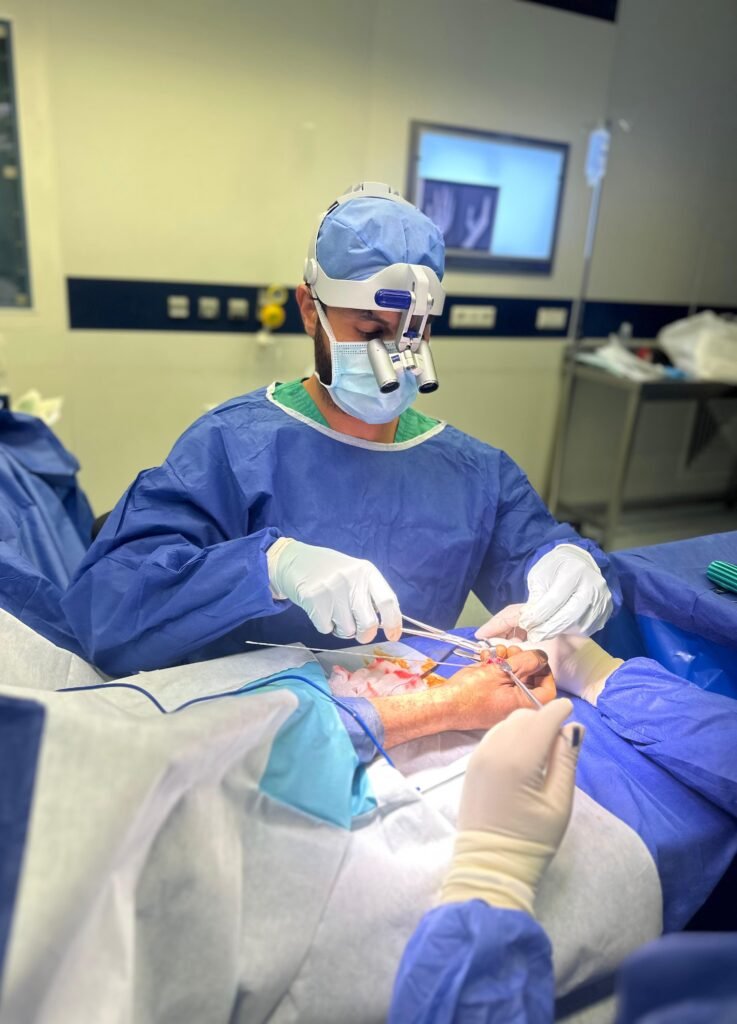
Surgical Treatment
When tendons or nerves are completely cut or significantly damaged, surgical repair may be the most appropriate option. Using modern surgical techniques and meticulous planning, Dr. Mohamed Abas Elbishbishi aims to restore movement and sensation while preserving long-term hand function. Whenever appropriate, delicate microsurgical methods are used to repair injured structures with precision.
Early intervention often offers the greatest opportunity for successful recovery.Related Treatments

F.A.Qs
Some minor injuries may be treated conservatively, but complete tendon lacerations often require surgical repair to restore proper function.
Persistent numbness, tingling, weakness, or loss of sensation following a hand injury should be evaluated by a hand specialist as soon as possible.
Yes. Prompt diagnosis and appropriate management can improve healing and maximize the chances of restoring normal hand function.
Recovery varies depending on the type and severity of the injury, as well as the treatment provided and rehabilitation process.
In many cases, rehabilitation and hand therapy are essential parts of recovery and help patients regain movement, strength, and coordination.
When Should You Visit DR. MOHAMED ABAS Clinic?
Immediate medical evaluation is recommended if you experience:
A deep cut involving the hand or fingers.
Inability to move a finger normally.
Persistent numbness after an injury.
Sudden weakness in the hand.
Loss of sensation.
Difficulty gripping objects following a laceration.
Early treatment can significantly improve recovery and reduce the risk of long-term complications.


No comment