
Elbow Fracture
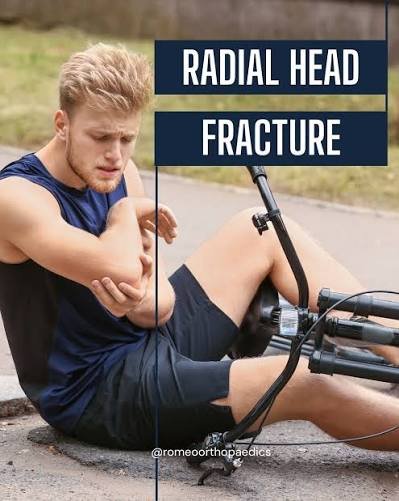
An elbow fracture can make even the simplest daily activities challenging, from lifting a cup of coffee to getting dressed or returning to work. Because the elbow is a complex joint responsible for both movement and stability, proper diagnosis and timely treatment are essential to restore normal function and prevent long-term complications.
At the clinic of Dr. Mohamed Abas Elbishbishi, every patient receives a thorough assessment and a personalized treatment plan designed to promote healing, preserve mobility, and achieve the best possible recovery.
Understanding Elbow Fractures
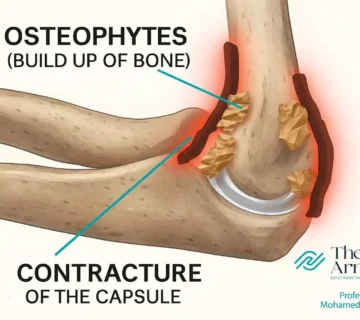
The elbow is formed by the meeting of three bones and is supported by a network of ligaments, muscles, and tendons that work together to provide strength and smooth movement.
A fracture may involve different parts of the joint and can range from a simple crack in the bone to a more complex injury involving displacement or multiple fracture fragments. Some injuries may also occur alongside ligament damage or joint instability, making specialist evaluation especially important.

Signs and Symptoms
Common symptoms of an elbow fracture may include:
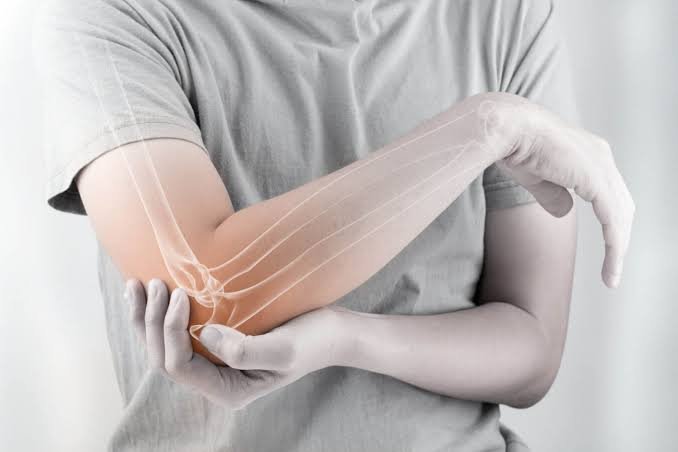
Sudden pain after an injury
Swelling around the elbow
Bruising or discoloration
Difficulty bending or straightening the arm
Pain during movement
Tenderness when touching the injured area
Reduced strength
Visible deformity in severe injuries
Numbness or tingling in some cases
Common Causes & Risk Factors
Elbow fractures commonly result from:
Falls onto an outstretched hand
Direct impact to the elbow
Sports injuries
Road traffic accidents
Workplace injuries
High-energy trauma
Crush injuries
Diagnosis
Accurate diagnosis begins with a comprehensive clinical examination During your consultation,Â
Dr. Mohamed Abas Elbishbishi will carefully evaluate:
The mechanism of injury
Pain location
Swelling and tenderness
Range of motion
Joint stability
Blood circulation
Nerve function

TREATMENT OPTIONS
Treatment depends on the severity:
Non-Surgical Treatment
Many stable elbow fractures can heal successfully without surgery.
Conservative treatment may include:
Protective splinting
Sling support when appropriate
Temporary immobilization
Pain management
Activity modification
Regular follow-up examinations
Repeat imaging when necessary
Guided rehabilitation exercises

Surgical Treatment
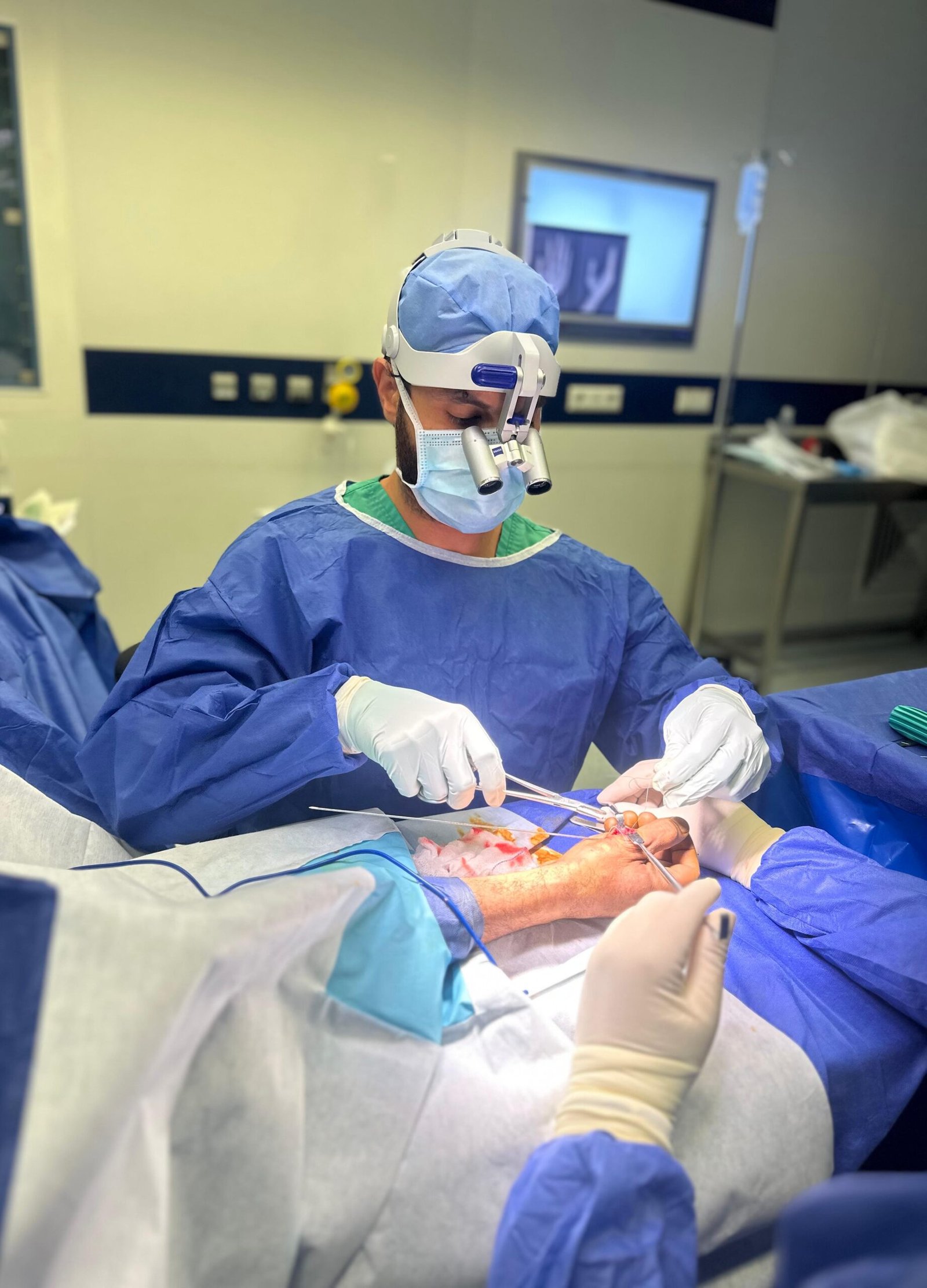
Some elbow fractures require surgical management to restore alignment and preserve long-term joint function.
Surgery may be recommended when:
- The fracture is displaced
- The joint is unstable
- Multiple fracture fragments are present
- The injury involves the joint surface
- Conservative treatment cannot maintain proper alignment
Depending on the specific injury, modern fixation techniques may be used to stabilize the fracture and support optimal healing while aiming to restore elbow movement and function.
Recovery & Rehabilitation
Recovery extends beyond bone healing and often includes a structured rehabilitation program.
Patients may benefit from:
- Controlled range-of-motion exercises
- Progressive strengthening programs
- Physical and hand therapy
- Functional rehabilitation
- Regular follow-up appointments
Early guided rehabilitation, when appropriate, can help reduce stiffness and improve long-term outcomes.
Related Treatments

F.A.Qs
Yes. Many stable fractures can heal successfully with immobilization and regular medical follow-up, while more complex injuries may require surgery.
Recovery depends on the type and severity of the fracture, the treatment method, and individual healing factors. Rehabilitation is often an important part of the recovery process.
Many patients benefit from guided rehabilitation exercises to restore strength, flexibility, and normal elbow movement.
No. Surgical treatment is reserved for fractures where alignment, stability, or joint function cannot be adequately restored through conservative care.
The timeline varies depending on your injury and recovery progress. Your treatment plan will include individualized guidance for returning safely to your daily activities.
When Should You Visit DR. MOHAMED ABAS Clinic?
Seek prompt medical evaluation if you experience:
Severe elbow pain after trauma
Significant swelling
Inability to move the elbow
Persistent numbness
Weakness in the hand or arm
Open injuries involving the elbow
Early diagnosis and appropriate treatment can significantly improve recovery and reduce the risk of permanent stiffness or instability.


No comment