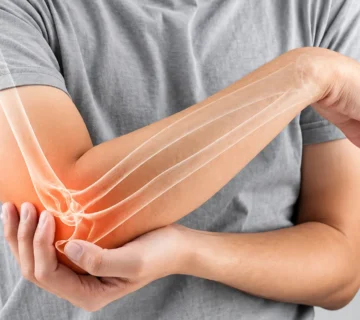

Pain on the outer side of the elbow can make even the simplest daily activities uncomfortable. Shaking hands, lifting a coffee cup, typing on a keyboard, or carrying groceries may all become painful when the tendons around the elbow are under excessive stress.
At the clinic of Dr. Mohamed Abas Elbishbishi, every patient receives a comprehensive evaluation and an individualized treatment plan designed to reduce pain, restore strength, and help them safely return to work, sports, and everyday life.
Expert Tennis Elbow Care by Dr. Mohamed Abas Elbishbishi
Understanding Tennis Elbow
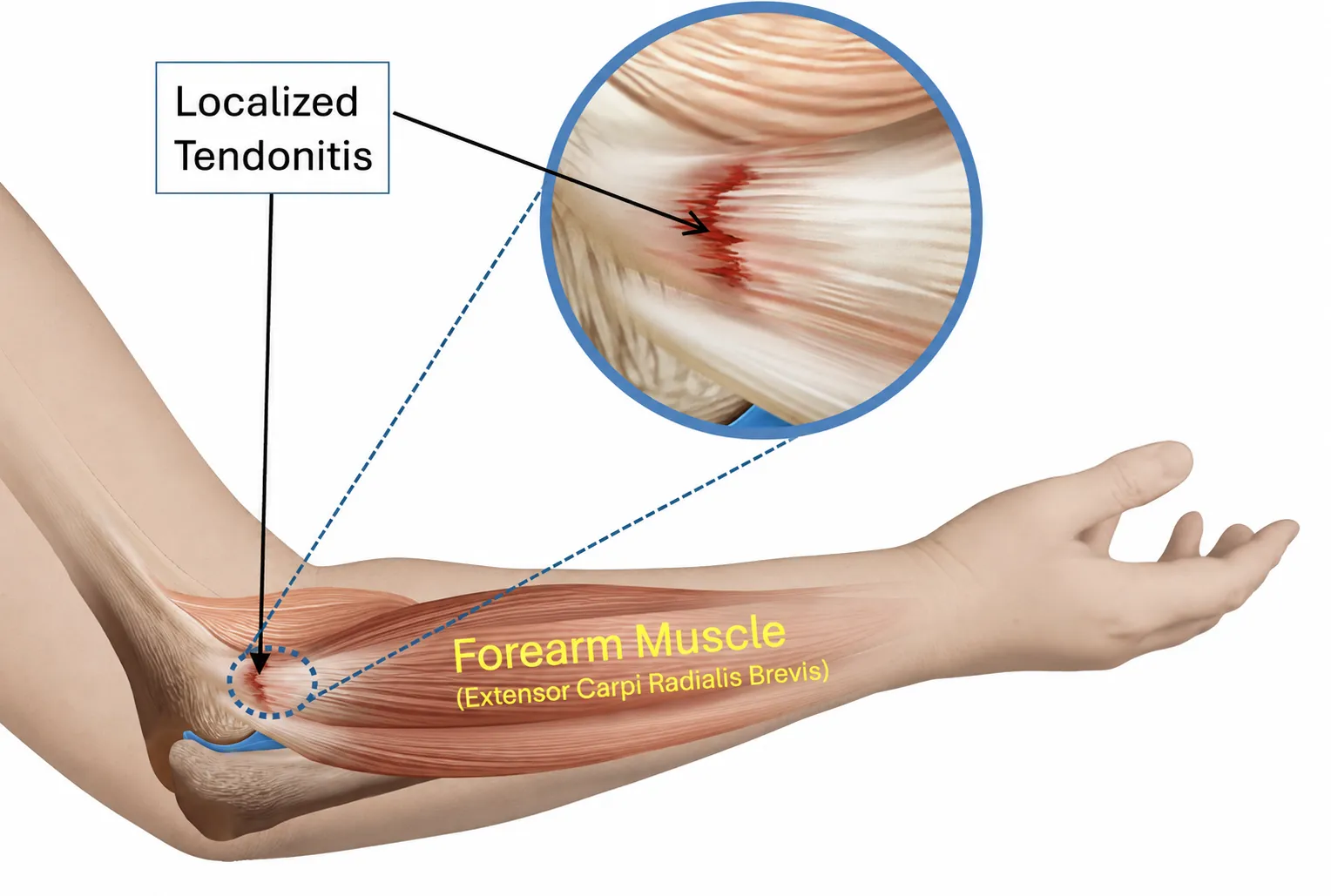
Tennis Elbow, medically known as Lateral Epicondylitis, is a condition that affects the tendons attached to the outer part of the elbow.
Despite its name, it does not only affect tennis players. It commonly develops in people who perform repetitive gripping, lifting, or twisting movements, including office workers, mechanics, carpenters, painters, and many manual laborers.
Repeated stress on these tendons may lead to small areas of tissue damage, resulting in pain and reduced arm function.

Signs and Symptoms
Common symptoms include:
Pain on the outer side of the elbow
Pain while gripping objects
Weak grip strength
Discomfort when lifting items
Pain while turning a key or opening a door
Difficulty shaking hands
Pain that may extend into the forearm
Increased discomfort with repetitive activities
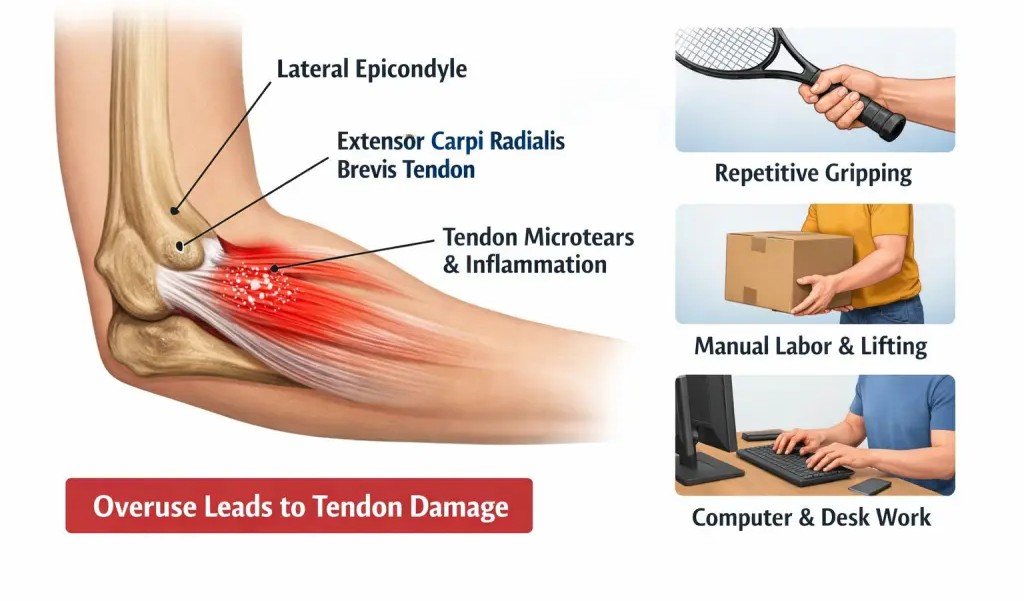
Symptoms often develop gradually and may worsen over time if left untreated.

Common Causes & Risk Factors
Tennis Elbow may develop due to:
Repetitive hand and wrist movements
Manual work involving gripping tools
Racquet sports
Repetitive lifting activities
Computer and office-related repetitive tasks
Construction and industrial work
Gardening and home maintenance
Improper sports techniques
Diagnosis
A careful clinical examination is often sufficient to diagnose Tennis Elbow. During your consultation, Dr. Mohamed Abas Elbishbishi evaluates:
Pain location
Elbow tenderness
Wrist and forearm strength
Grip strength
Range of motion
Functional limitations
Activities that trigger symptoms
When necessary, imaging studies such as X-rays or MRI may be recommended to exclude other causes of elbow pain or evaluate associated conditions.
TREATMENT OPTIONS
Treatment depends on the severity:
Non-Surgical Treatment
Most patients improve successfully without surgery.
Treatment may include:
Activity modification
Temporary rest from aggravating activities
Pain management
Forearm braces or support straps
Physical therapy
Progressive strengthening programs
Selected injection therapies when clinically appropriate
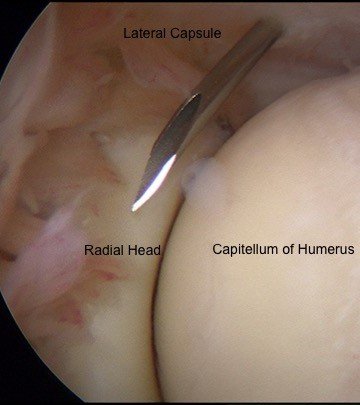
A personalized rehabilitation program is often one of the most important factors for long-term recovery.
Non-Surgical Treatment

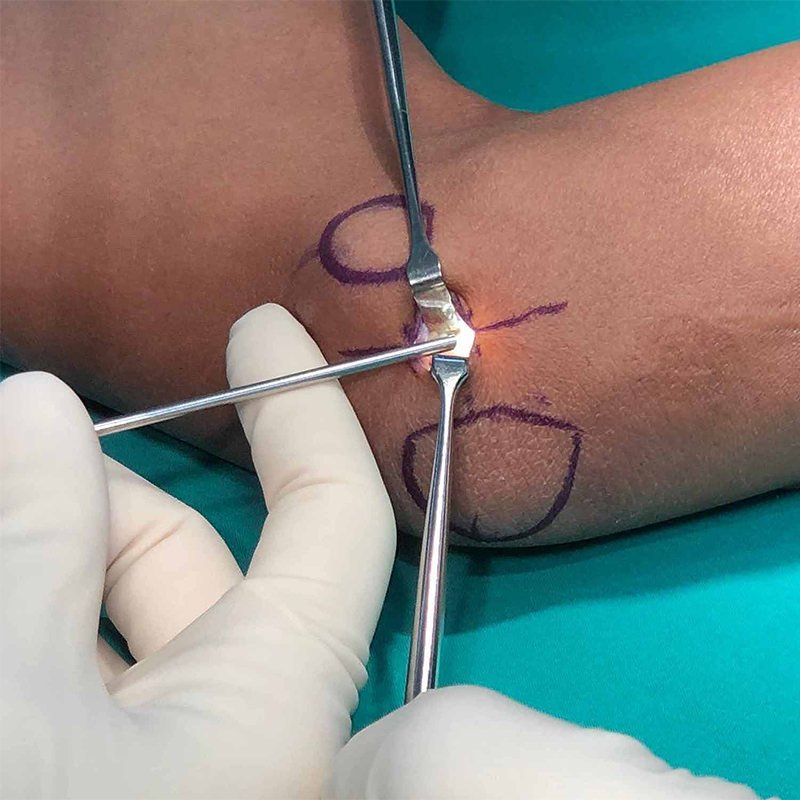
Arthroscopic

Open
Surgical Treatment
When symptoms persist despite appropriate conservative treatment and continue to interfere with daily life, surgical treatment may be considered.
The objective of surgery is to address the damaged tendon tissue, reduce pain, and restore function while preserving elbow stability and movement.
The most appropriate surgical approach depends on the patient's condition, lifestyle, and severity of tendon involvement. Treatment decisions are always individualized after comprehensive evaluation.

Following medical advice and rehabilitation instructions plays an essential role in achieving the best long-term outcome.
Recovery & Rehabilitation
Recovery is a gradual process and extends beyond symptom relief.
Your rehabilitation program may include:
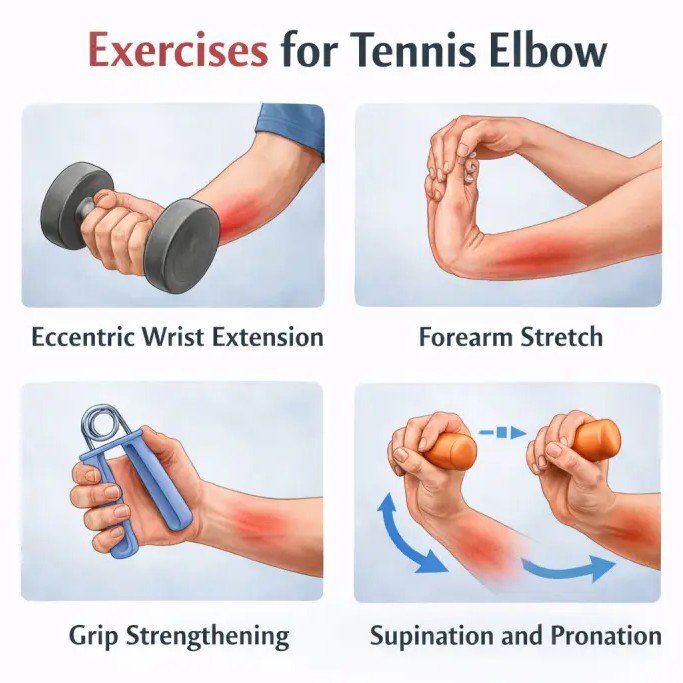
Gentle stretching exercises
Progressive strengthening
Hand and forearm rehabilitation
Functional movement training
Return-to-work guidance
Sports-specific rehabilitation
Regular follow-up assessments
Related Treatments

F.A.Qs
Yes. Most patients improve with non-surgical treatment, including activity modification, rehabilitation exercises, and conservative management
No. The condition frequently affects people whose work or daily activities involve repetitive gripping or wrist movements.
Recovery varies from patient to patient depending on symptom severity, treatment approach, and adherence to rehabilitation.
In many cases, structured rehabilitation and strengthening exercises are an important part of successful recovery.
Surgery may be considered when symptoms persist despite an adequate course of conservative treatment and continue to significantly affect daily function.
When Should You Visit DR. MOHAMED ABAS Clinic?
Immediate medical evaluation is recommended if you experience:
Persistent outer elbow pain
Difficulty gripping objects
Pain affecting work performance
Weakness in the hand or forearm
Symptoms lasting several weeks
Pain that continues despite rest
Progressive limitation of daily activities
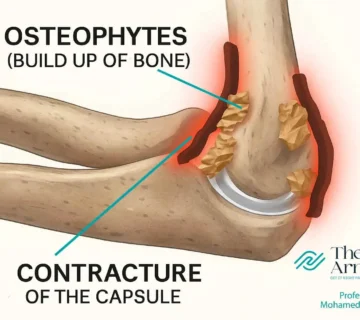
Early diagnosis often allows treatment before symptoms become more severe.


No comment